About this site
The purpose of this site
Syllabics.net is a tool to aid in the preservation of Aboriginal and Indigenous languages. Using this tool you can easily develop materials in syllabics as well as Standard Roman Orthography (SRO) even if you do not have access to a syllabic keyboard layout. It works from any computer, tablet or mobile device without needing to install any fonts or additional software.
Why I developed this site
My main inspiration for developing this site was to help me easily type in Western Cree syllabics without the need of a special keyboard or font. However, I also wanted to make it publicly available to help others in their language preservation endeavours, so I released it for public use.
Dialects other than Western Cree
While I typically only work with Western Cree dialects I decided to add other dialects to this site as well. I had already created the conversion software for Western Cree, so it was fairly easy to add the language rules for other dialects.
However, as I am not as familiar with other syllabic languages I did my best in researching the language rules on Wikipedia and other language sites. If you notice any mistakes with any of the converters or syllabic tables please let me know. If you need a converter added for your specific community or area I would certainly be willing to add it for you. And if you are a linguist and can confirm that one of the dialects has been implemented correctly, I would be grateful to hear so. Contact me.
Unicode fonts
The syllabic characters on this site are Unicode. You can copy syllabic text from here and paste it into any application on any system that has proper Unicode font support. Unicode should be used wherever possible over the older font methods.
Older font methods do not have the consistency that Unicode has. With an older font method, if you created a syllabic document using a specific font and wanted to distribute it, the recipients would need that same font to read it correctly — a hassle for everyone involved. Unicode eliminates this problem with a unified system covering all characters of all the world’s languages, including Indigenous languages.
This site also ships its own syllabics font, so the characters display correctly even on a device that has no syllabics font installed. This gives a consistent font experience across Windows, Mac, Linux, iOS, and Android devices.
A syllabics game and worksheets
There is a practice game for learning to read syllabics by sight, a worksheet generator for printable tracing practice sheets, and a one-page character chart for each language in PDF format. If there is something else that would be useful to you, please let me know.
Everything happens in your browser
Conversion runs entirely on your own device. Nothing you type is sent to a server, which makes it faster and means your text stays yours. See the privacy policy.
The history of Aboriginal syllabics
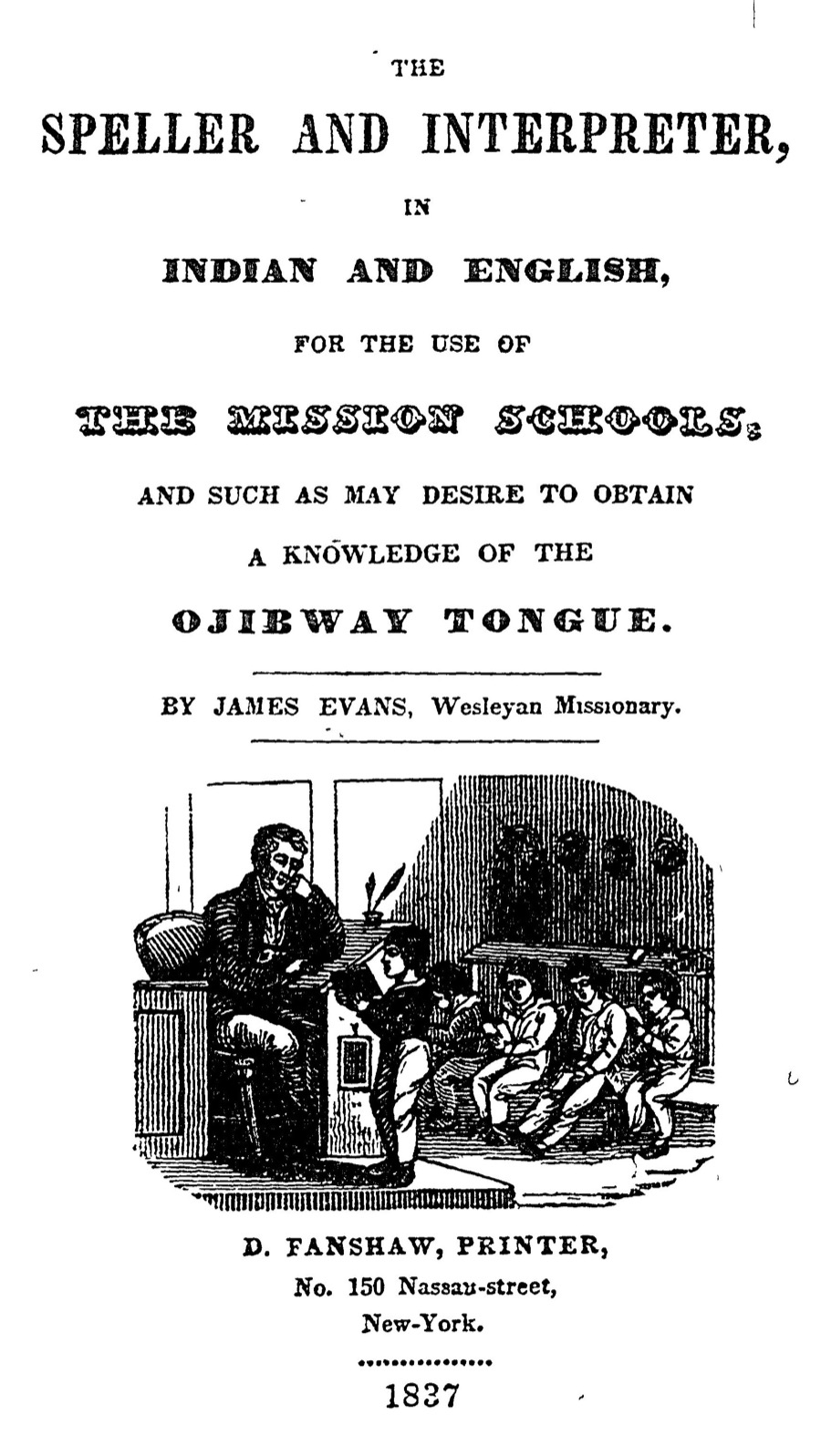
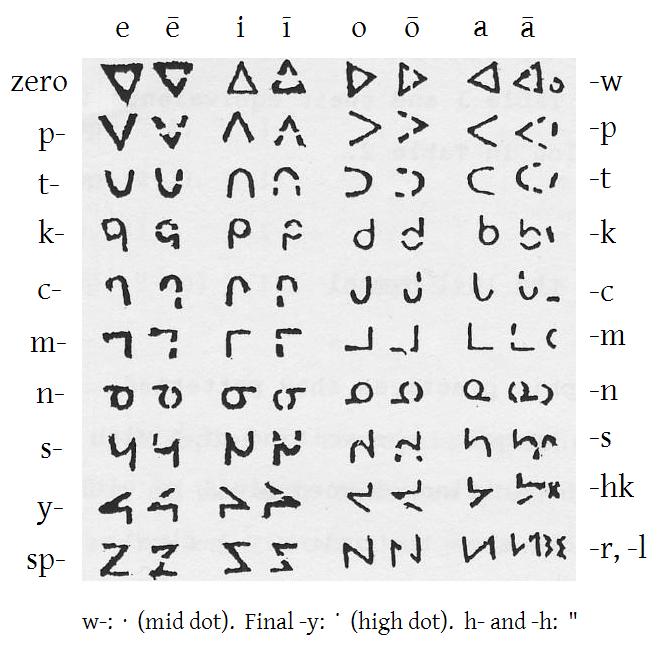
Canadian Aboriginal syllabics were conceived by James Evans (a missionary to Norway House in what is now Canada) in the late 1830s and took their final form in 1840. Evans had spent the 1830s working on Ojibwe in Ontario, where he devised a way of writing it in Latin letters broken into syllables and began experimenting with a truly syllabic script. It was at Norway House that he completed it, first for Swampy Cree and soon after for Ojibwe. From there it quickly spread to other language groups such as other Cree dialects, Naskapi, Blackfoot, Inuktitut, Inuinnaqtun, Slavey, Dënesųłiné (Chipewyan), Carrier, and Tsek’ehne (Sekani).

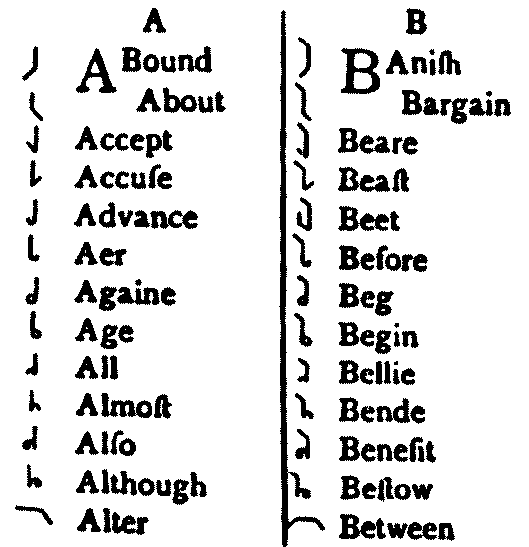
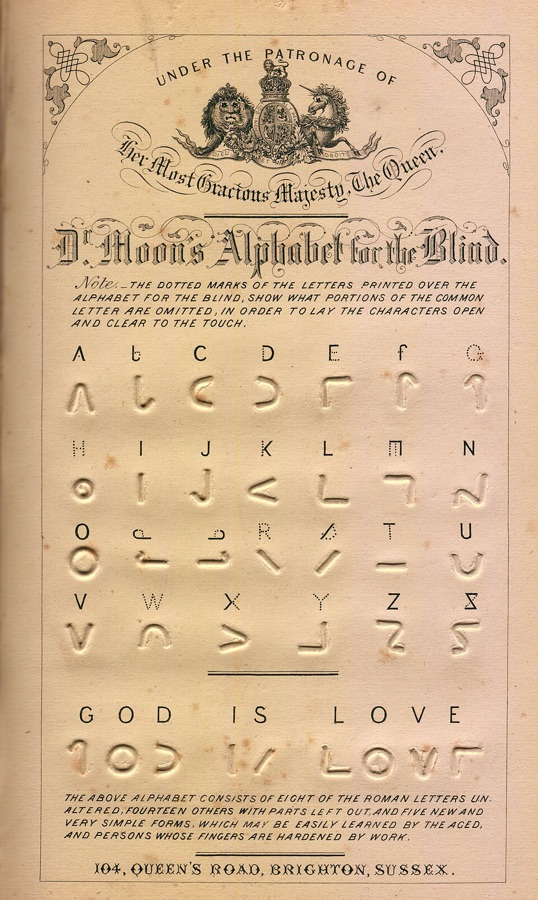
While James Evans developed the script and was undoubtedly aided by native Cree and Ojibwe speakers, most of the characters were borrowed from shorthand scripts with roots dating back to the 1500s. Timothie (Timothy) Bright is often seen as the father of shorthand, and many other scripts have been derived from it, including the Willis script by John Willis. John Willis reworked Bright’s script and published it in his book The Art of Stenographie. Both Moon type by William Moon and Canadian Aboriginal syllabics by James Evans were based on these earlier scripts.